What is Wooden Cold Pressed Oil? History, Benefits and Traditional Manufacturing
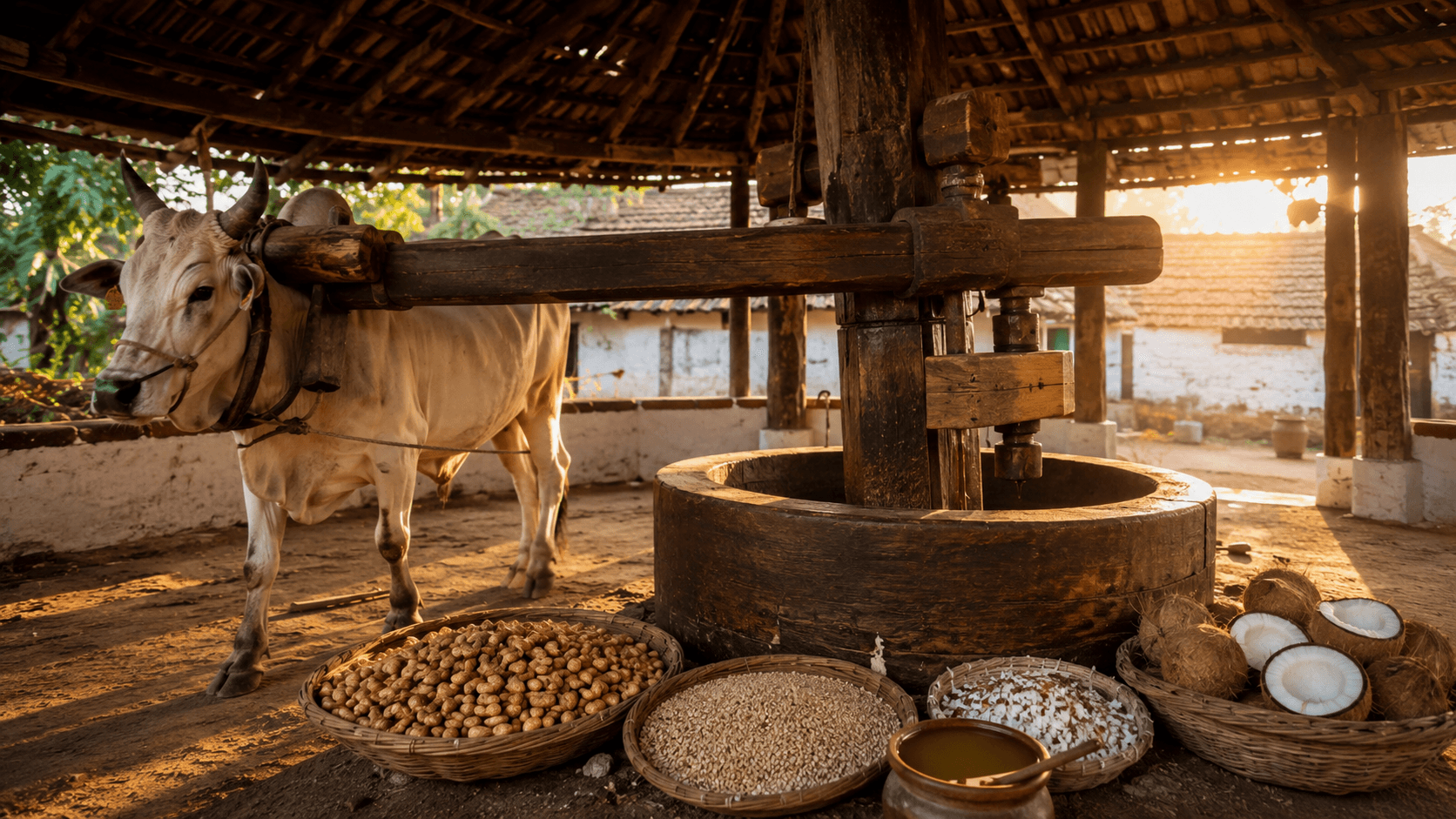
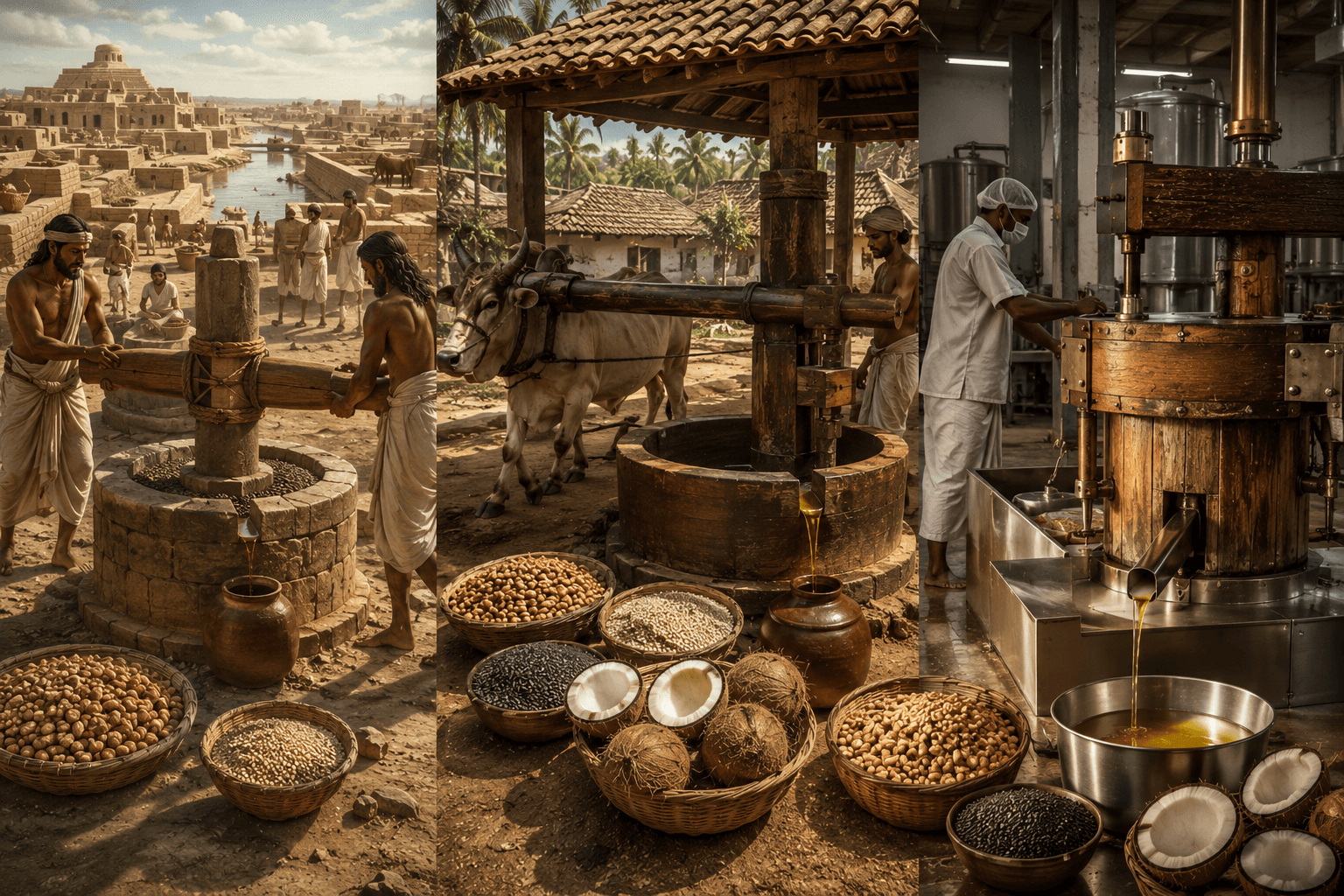
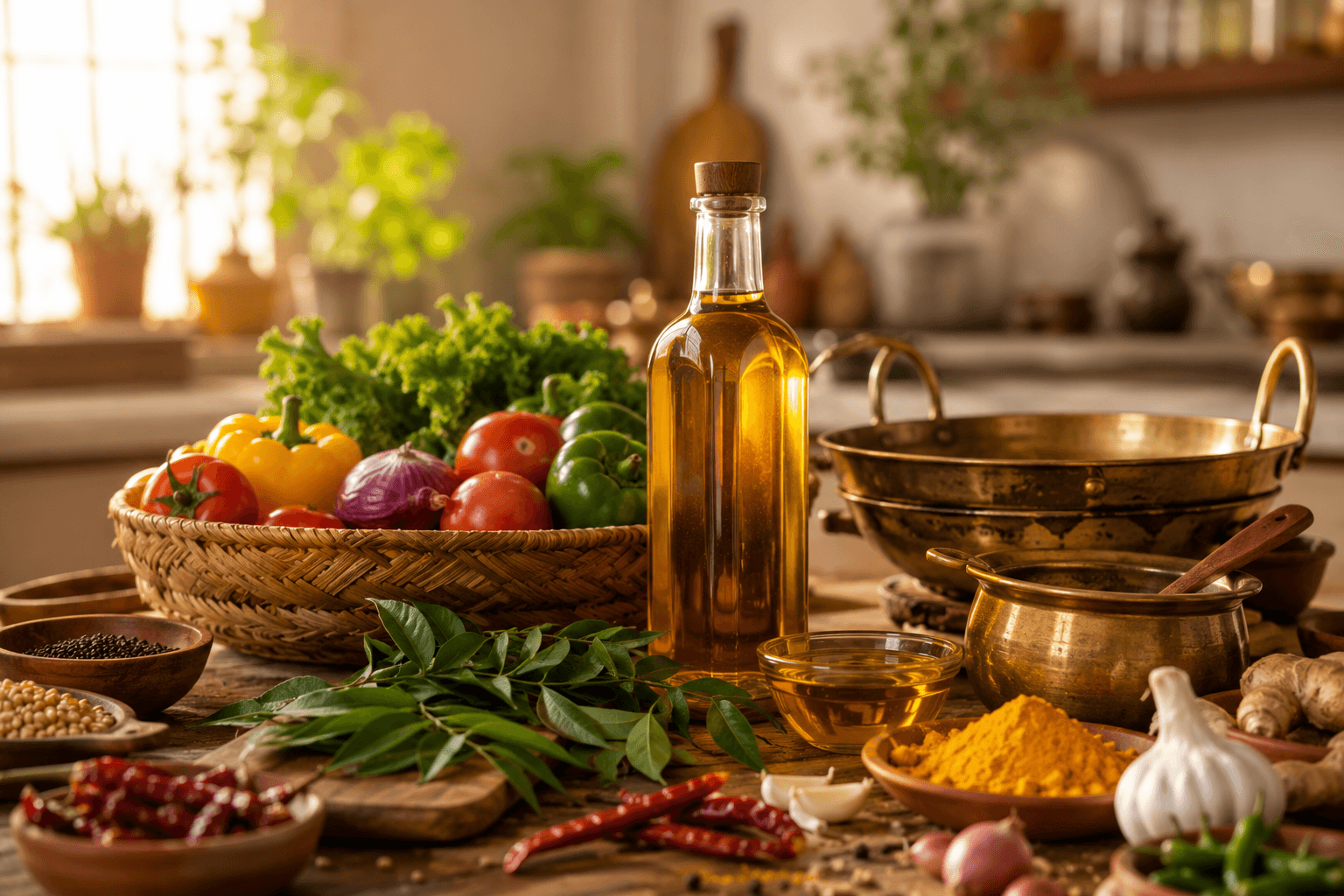
Wooden Cold Pressed Oil is one of the oldest and purest forms of edible oil used by mankind. Long before modern refineries and chemical extraction methods existed, people extracted oil naturally using wooden presses powered by humans and animals. This traditional process preserves the oil's natural aroma, nutrients and antioxidants while avoiding excessive heat and chemicals. Today, as more people become health conscious, wooden cold pressed oils are once again becoming the preferred choice for cooking and wellness. In this article, we explore what wooden cold pressed oil is, its fascinating history, how it is made, and why it continues to be valued across generations.
What is Wooden Cold Pressed Oil?
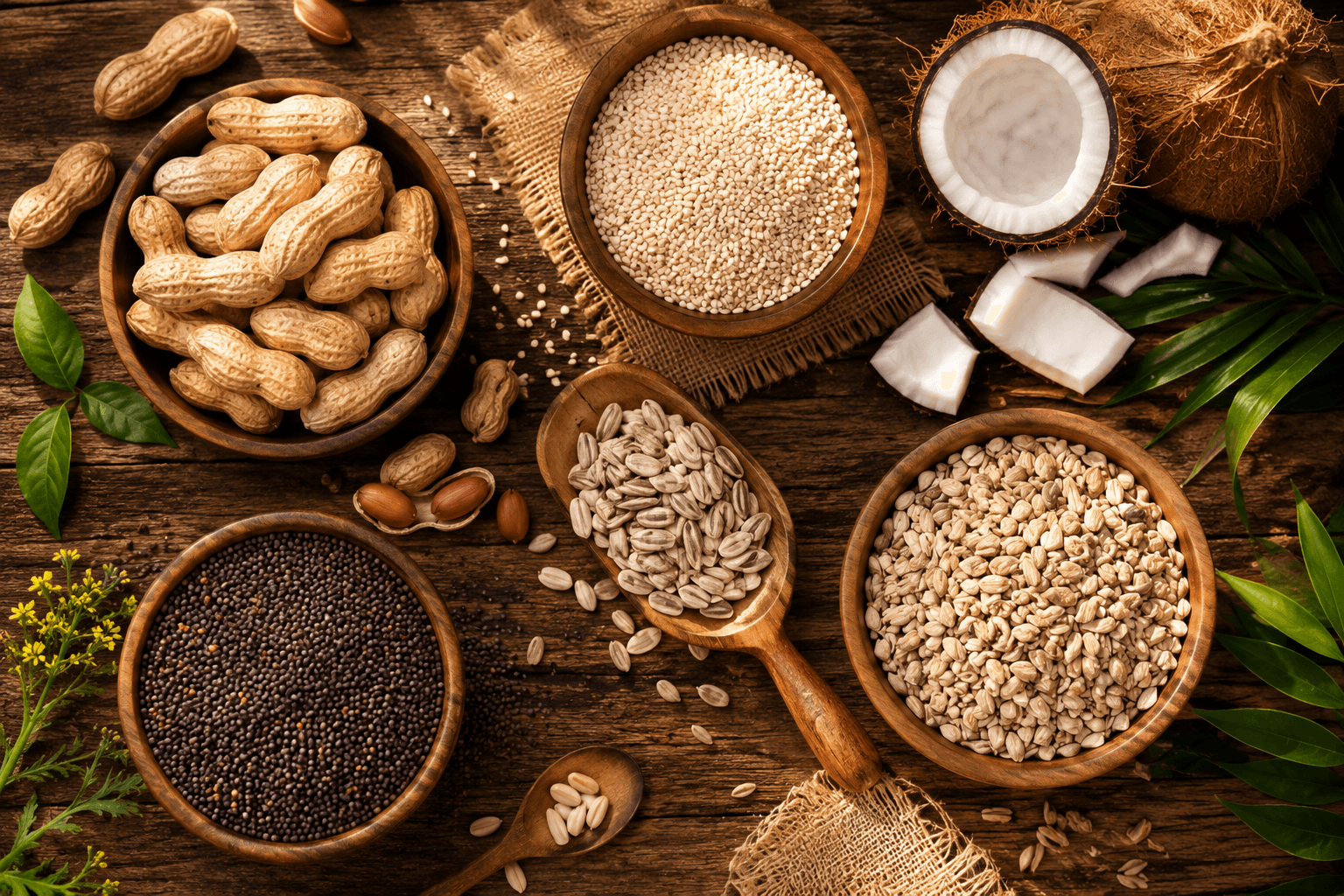
Wooden Cold Pressed Oil is natural edible oil extracted from seeds or nuts using a traditional wooden press, commonly known as a "Chekku" in South India or "Ghani" in North India. Unlike refined oils, wooden cold pressed oils are extracted without using petroleum-based solvents or high-temperature refining processes. The wooden press rotates slowly, generating very little heat, allowing the oil to retain its natural nutrients, flavor and aroma. Common seeds used include: • Groundnut • Sesame • Coconut • Mustard • Sunflower • Niger Seed • Castor (non-edible)
History of Wooden Cold Pressed Oil
The history of wooden cold pressed oil dates back more than 5,000 years. Ancient civilizations such as the Indus Valley Civilization, Egyptians, Greeks and Romans extracted oils using wooden presses. In India, traditional wooden oil mills known as Chekku have been an important part of village life for centuries. Tamil literature dating back over 2,000 years mentions sesame oil and traditional oil extraction methods. Farmers cultivated oil seeds locally and produced fresh oil for their communities without industrial processing. Until the late twentieth century, almost every town and village had a wooden oil mill where families purchased freshly extracted oils.
"The oldest technologies are sometimes the most sustainable."
How Wooden Cold Pressed Oil is Made
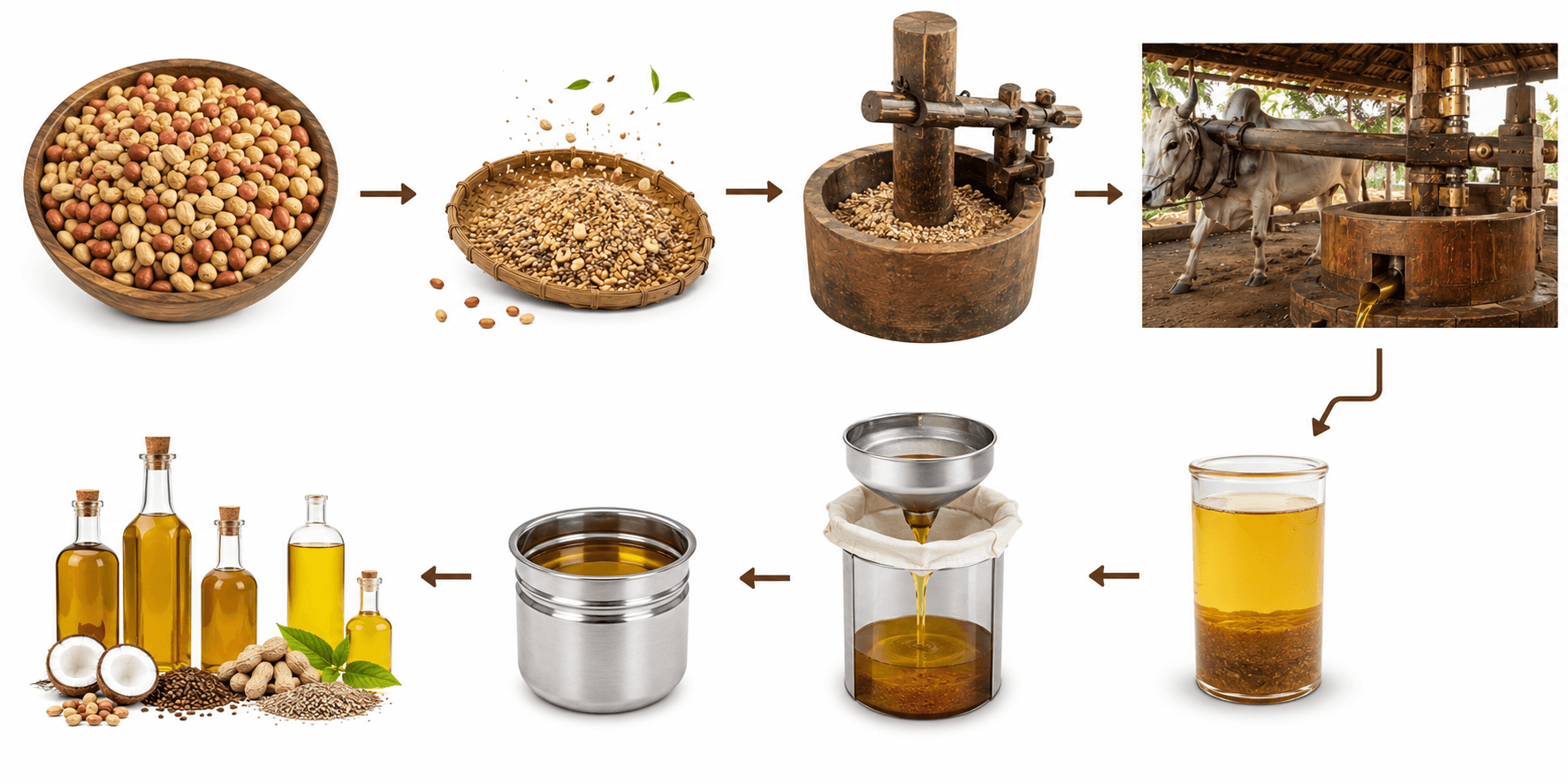
- Traditional Manufacturing Process • Carefully selected premium seeds • Cleaning and grading • Slow crushing using wooden press • No chemical solvents • No bleaching • No deodorization • Natural sediment settling • Filtration • Packing in food-grade bottles
Why Does Wooden Cold Pressing Matter?
The slow extraction process minimizes heat generation. Lower temperatures help preserve naturally occurring compounds found in seeds such as antioxidants, phytosterols and natural flavors. Because the oil undergoes minimal processing, it retains its authentic taste and aroma, making it popular among consumers seeking traditional food products.
Wooden Cold Pressed Oil vs Refined Oil
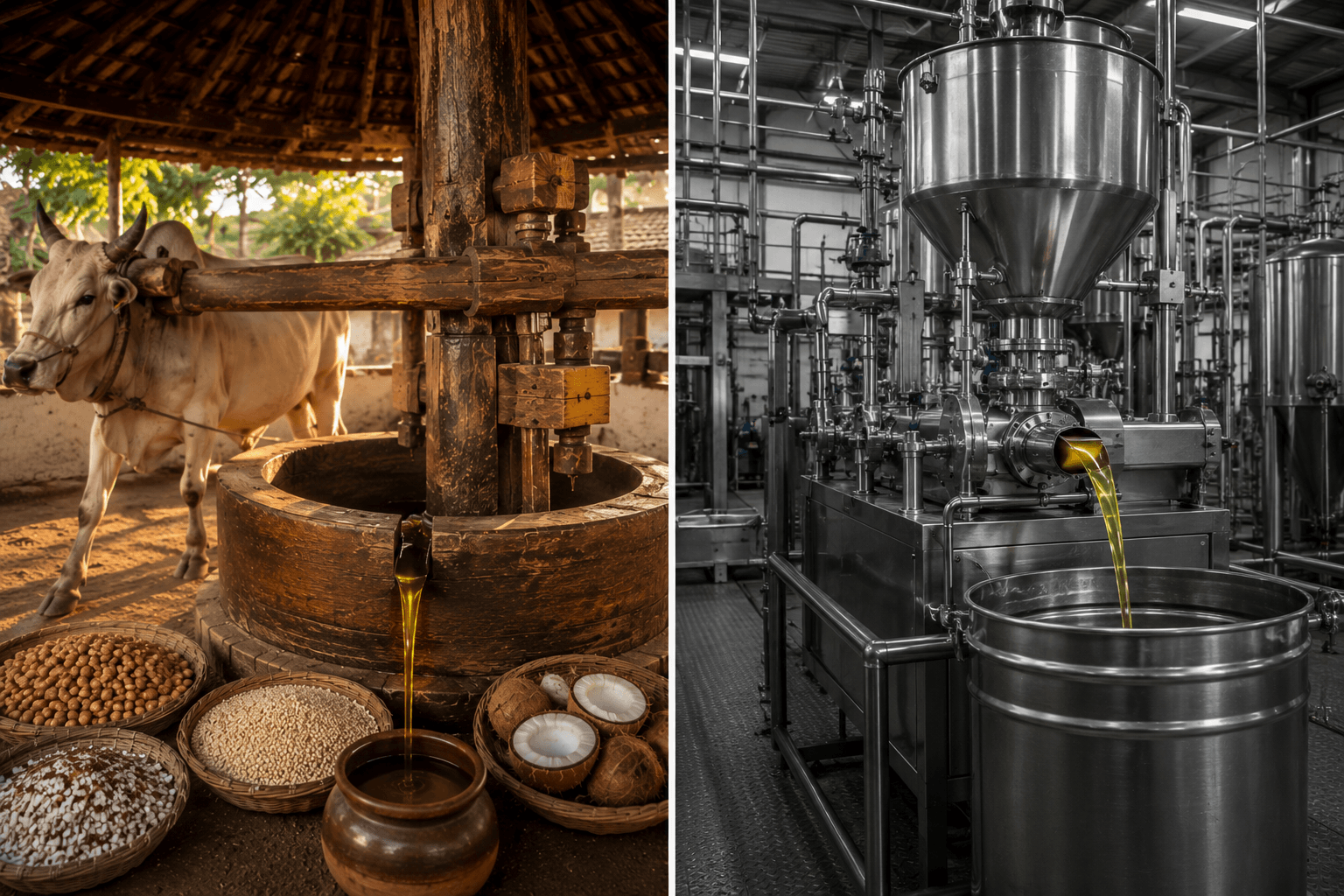
- Wooden Cold Pressed Oil • Traditional extraction • Minimal heat • No chemical solvents • Natural aroma • Minimal processing Refined Oil • Industrial processing • High temperature • Solvent extraction • Bleaching • Deodorization • Multiple refining stages
Why is Wooden Cold Pressed Oil Becoming Popular Again?
Consumers today are increasingly interested in traditional foods, minimally processed ingredients and transparency in food manufacturing. Wooden cold pressed oils align with these preferences by offering a traditional production method and distinctive natural flavor.
Looking for authentic Wooden Cold Pressed Oils? Explore Minaliya's range of traditionally manufactured: • Wooden Cold Pressed Groundnut Oil • Wooden Cold Pressed Sesame Oil • Wooden Cold Pressed Coconut Oil Visit: www.minaliya.in Experience traditional purity in every drop.